Duration
50 hours
Μοde of Delivery
On campus, online & on demand
Language of Delivery
Greek
Start Date
12 May 2026
Location
Athens, Greece
Description
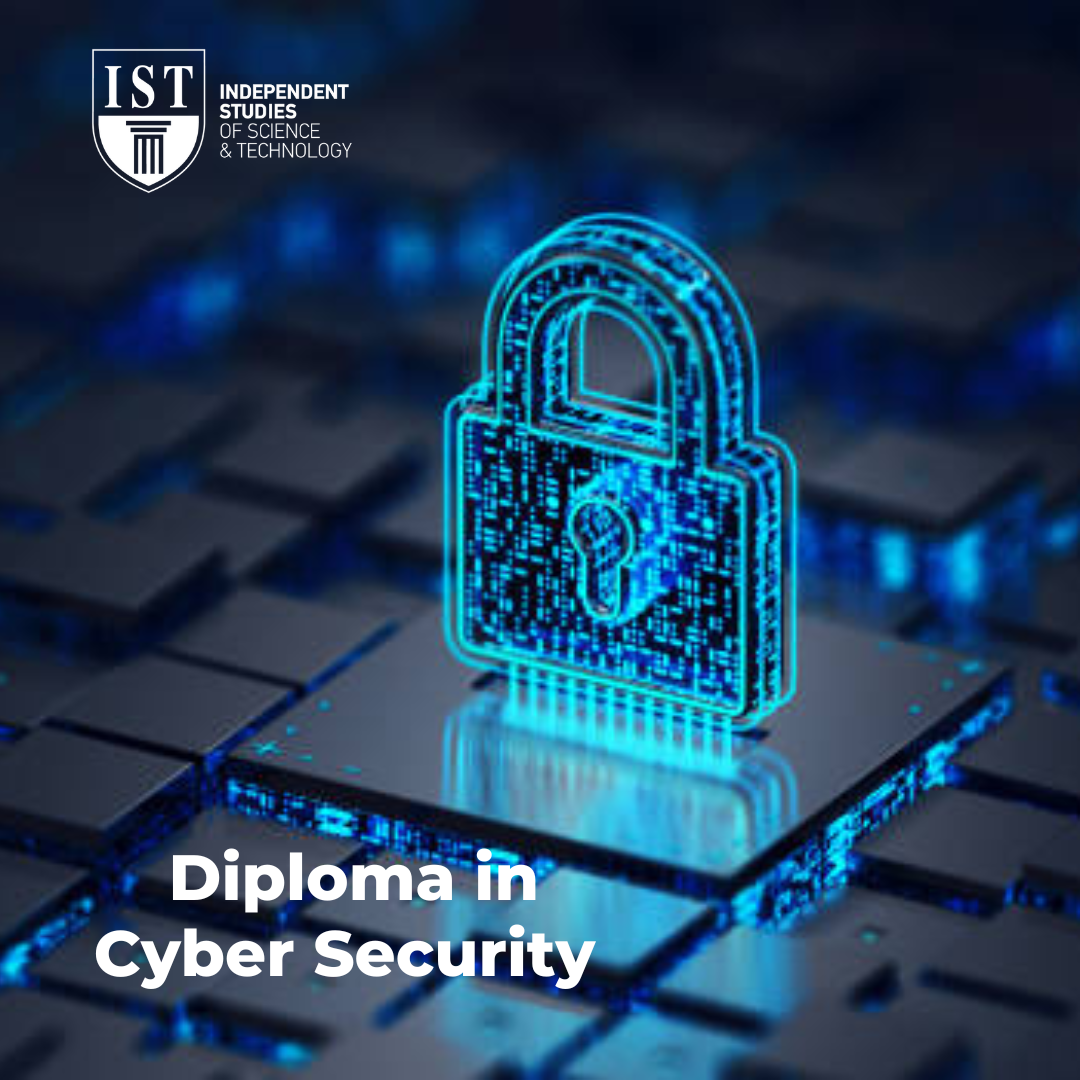
Cybersecurity has now become an integral part of every modern business, organization, and technological infrastructure. The increasing number of cyber threats makes it essential to have professionals with practical knowledge and a deep understanding of fundamental security principles.
In the Diploma in Cyber Security, you will acquire the core skills and tools required to understand, identify, and address cyber threats in real-world environments.
The programme has been designed in collaboration with, and with contributions from, IDEAL Technology (a Fortinet Authorized Training Center), ensuring that the content aligns with the real needs of businesses and modern cybersecurity infrastructures.
This collaboration strengthens the connection between education and practical use cases, as well as real-world scenarios, going beyond the implementation of standalone workshops.
Objectives of the programme
The aim of the programme is to provide participants with comprehensive training in the fundamental principles of cybersecurity, through a balanced approach that combines theory and practical application. The program focuses on understanding core security concepts, identifying threats and attacks, as well as using modern tools and techniques to protect systems, networks, and data.
Participants become familiar with operating systems (Windows & Linux), networks and firewalls, packet analysis techniques using Wireshark, basic encryption methods (OpenSSL), as well as ethical hacking tools such as Nmap, Burp Suite, and Nessus. At the same time, they are introduced to the principles of Incident Response and SIEM systems (Wazuh), learning how to detect and manage security incidents.
Through hands-on lab exercises and virtual environments (TryHackMe, OverTheWire, Kali Linux, Ubuntu), trainees gain practical experience in solving realistic scenarios and applying defense and detection techniques.
Educational Approach (Theory & Practice)
Through 50 hours of theoretical and practical training, you will delve into critical thematic areas such as:
• Fundamental principles of Cybersecurity (CIA Triad, types of attacks and threats)
• Operating Systems Security (Windows & Linux permissions, logs)
• Networks & Security (TCP/IP, firewalls, packet analysis with Wireshark)
• Threats & Attacks (Malware, phishing, DoS/DDoS)
• Basic Level Cryptography (Hashing, SSL/TLS, OpenSSL)
• Ethical Hacking & Penetration Testing (Recon, Scanning, Exploitation)
• Security Tools (Kali Linux, Nessus, Burp Suite)
• Incident Response & SIEM (incident detection and management, Wazuh)
Skills You Will Acquire
After completing the programme, you will be able to:
• Identify and analyze cyberattacks.
• Apply basic prevention and defense measures.
• Use professional ethical hacking and SIEM tools.
• Understand how systems and networks operate from a security-oriented perspective.
The programme is the first substantial step for anyone wishing to build a solid foundation in the field of cyber security and continue with more advanced specializations.
Who it is addressed to
- ΙT professionals, support technicians, system and network administrators who want to understand the basic principles of information security and become familiar with practical tools such as Wireshark, Nmap, Nessus, Burp Suite, and Wazuh.
- Newcomers who wish to start a career in cybersecurity, without requiring prior experience, but with a willingness to learn practical skills through virtual labs.
Lecturer
Structure
The programme consists of the following modules:
1. Introduction to Cyber Security
2. Operating Systems Security (Windows & Linux)
3. Networks & Network Security
4. Threats & Attacks
5. Basic Cryptography
6. Introduction to Ethical Hacking
7. Security Tools
8. Incident Response & SIEM Basics
9. Review & Evaluation
10. FortiGate Workshop: From Network Traffic to Threat Protection
Modes of Delivery
The programme is offered with:
- Scheduled Department at our facilities – 68 Sygrou St. (Next to Sygrou Metro – Fix)
- Online participation in the classroom during the course following the course schedule (modern distance learning).
- E-learning with on-demand watching video lessons in your own time with a personalized study programme, through the modern educational platform of IST College (asynchronous distance learning).
- Blended Learning: Create your own flexible study programme using any of the above tracking methods in combination.
Certifications
The Diploma in Cyber Security is also certified for the quality of its curriculum, its instructors, its student assessment methodology, and the quality of its educational materials, under the Expert-level Quality Training Label by ACTA, a spin-off of the Aristotle University of Thessaloniki.
You may also be interested in:

The Executive Diploma in SMEs & Family Business Management has been designed to provide entrepreneurs and executives with practical tools, strategic thinking, and structured solutions, enabling them to develop, safeguard, modernize, and properly transfer their business.
Business & Economics,Diploma
The seminar "Artificial Intelligence & Chat GPT: Tools and Practical Applications" provides a comprehensive picture of developments in the field of Artificial Intelligence.
Computer Science – Informatics,Seminar
The Diploma in Business Administration is a professional specialization program that focuses on the core practices of Business Administration.
Business & Economics,Diploma
-
The Executive Diploma in SMEs & Family Business Management has been designed to provide entrepreneurs and executives with practical tools, strategic thinking, and structured solutions, enabling them to develop, safeguard, modernize, and properly transfer their business.
Business & Economics,Diploma
-
The seminar "Artificial Intelligence & Chat GPT: Tools and Practical Applications" provides a comprehensive picture of developments in the field of Artificial Intelligence.
Computer Science – Informatics,Seminar

